Little Big Loo 2025 International Design Competition
Our project has been awarded an Honourable Mention and the fourth place at the Little Big Loo 2025 international design competition.
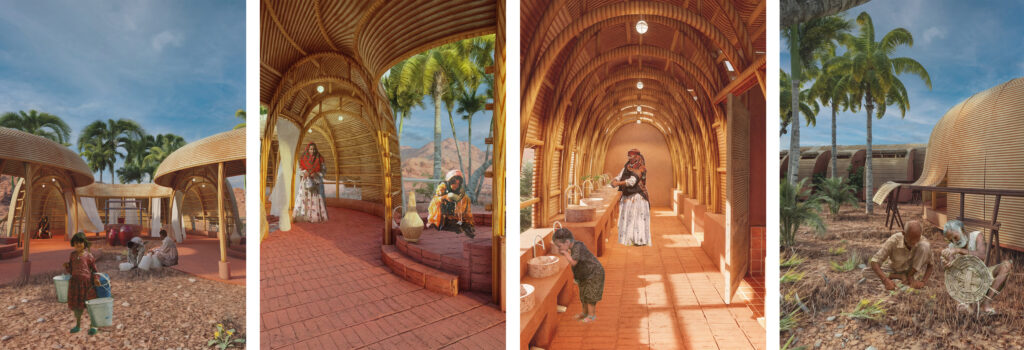
The project explores sanitation as a form of civic and environmental infrastructure, responding to water scarcity, climate conditions, and everyday community needs through a context-driven and low-impact design approach. Inspired by local water systems and vernacular construction methods, the proposal integrates environmental performance with social dignity, transforming a basic public facility into a meaningful spatial and communal experience.
This recognition highlights our ongoing interest in climate-responsive design, water-conscious strategies, and the role of architecture and landscape in improving everyday life.
Design Team:
Nooshin Zangeneh – Negin Sadri – Amirreza Karimi
Project Description
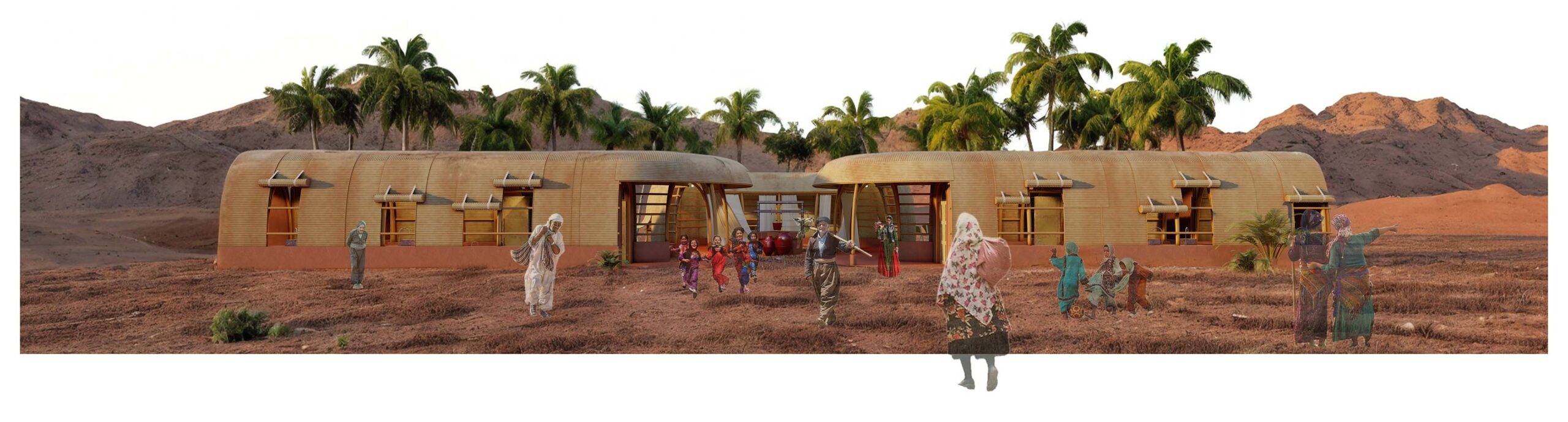
This project is rooted in the climatic, social, and cultural realities of Sistan, a region defined by extreme heat, water scarcity, and strong everyday communal practices. Rather than treating sanitation as a purely technical or hidden service, the project reframes it as a form of civic and environmental infrastructure—one that supports dignity, social interaction, and ecological responsibility.
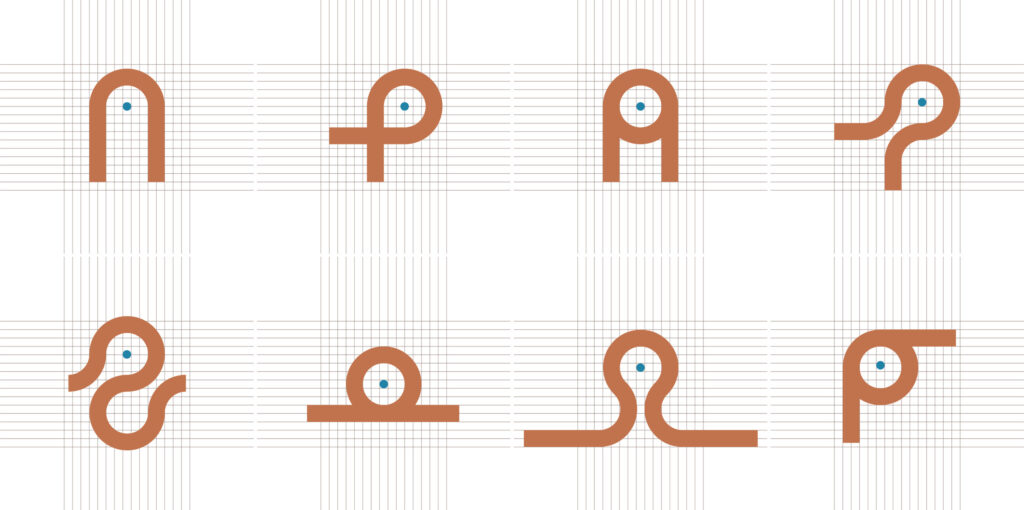
The design draws from two locally embedded systems: the qanat and the kapar. Qanats represent a long-standing ethic of water stewardship based on low-energy systems, collective use, and respect for limited resources. Kapar construction, on the other hand, embodies a lightweight, climate-responsive shelter logic developed through local materials and knowledge. These references are not symbolic; they actively inform the project’s spatial organization, construction approach, and environmental strategies.

At the heart of the proposal lies a shaded courtyard that functions as both a social and environmental core. This central space organizes the project spatially while creating a welcoming, legible environment that encourages collective use rather than isolation. Around the courtyard, a modular system of toilet units, washing and laundry areas, and small communal functions is arranged. This modularity allows the project to remain adaptable, compact, and easy to maintain, while supporting different patterns of everyday use.
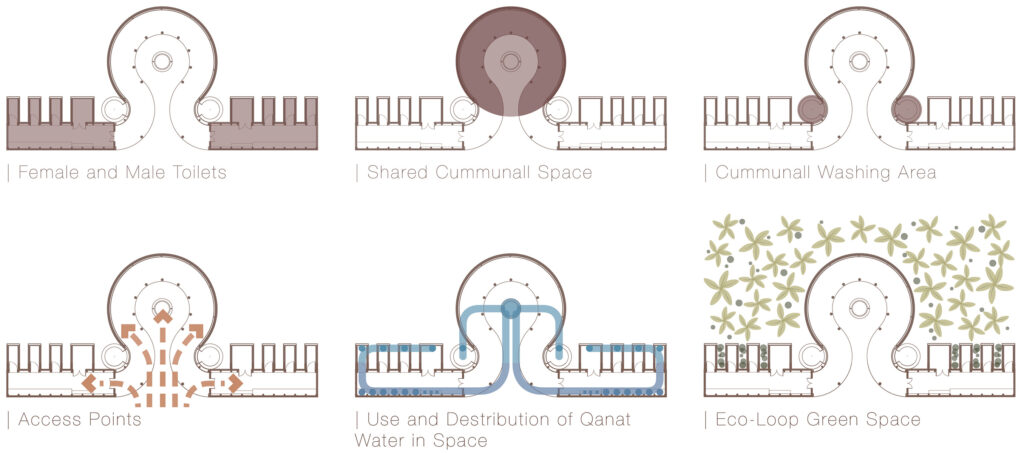
Environmental performance is achieved through an integrated and closed-loop water strategy. Blackwater is composted and reused to support date palms, transforming waste into a productive landscape resource. Greywater from washing areas is filtered through planted beds before being reused or safely absorbed by the ground. Through this system, water consumption is reduced, infrastructure demands are minimized, and sanitation becomes directly connected to landscape and ecology.
One of the key challenges was balancing strict functional requirements—privacy, hygiene, circulation, odor control, and maintenance—with an open and humane civic presence. The design addresses this through clear zoning, passive ventilation, shaded thresholds, and straightforward construction details that are easy to build, repair, and operate. The kapar-inspired structural logic and use of locally available materials help ensure the project feels familiar, culturally grounded, and contextually appropriate.
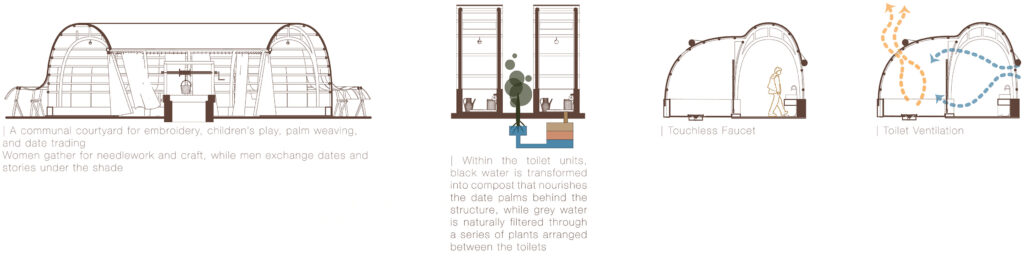
Ultimately, the project demonstrates how a modest program can generate meaningful social and environmental impact. By integrating sanitation, landscape, and everyday communal routines, it proposes an architecture rooted in care, dignity, and environmental awareness—responding directly to local climate, resources, and ways of life.